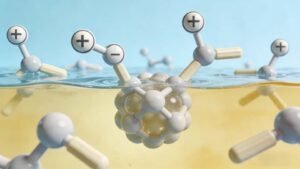
For decades, fluoride has been praised for its ability to prevent cavities and strengthen tooth enamel. However, a growing number of consumers are choosing fluoride-free toothpaste. Why? Concerns about toxicity, systemic health effects, and long-term exposure have prompted many to rethink daily use. If misunderstood, fluoride overexposure—especially in children—can lead to irreversible cosmetic or even health issues.
People avoid fluoride in toothpaste due to concerns about overexposure, dental fluorosis, potential toxicity, and a preference for natural or non-medicated oral care alternatives.
While fluoride remains an effective tool against decay, some individuals opt for fluoride-free options due to medical reasons, lifestyle choices, or perceived risks. Below, we explore those reasons in depth.
What Are the Main Reasons People Avoid Fluoride in Toothpaste?
Fluoride-free toothpaste is growing in popularity. Here are the primary concerns driving this choice:
1. Risk of Dental Fluorosis in Children
- Cause: Ingesting excess fluoride during enamel development.
- Effect: Permanent white or brown stains on teeth.
- Vulnerable Group: Children under 8, especially if swallowing toothpaste.
2. Cumulative Toxicity Concerns
- Fluoride builds up in bones and tissues over time.
- Linked (in high doses) to skeletal fluorosis, thyroid suppression, and neurotoxicity.
3. Natural and Organic Lifestyle Preferences
- Avoidance of synthetic chemicals, including fluoride.
- Use of mineral-based or herbal toothpaste alternatives.
4. Medical Conditions or Allergies
- People with thyroid conditions or kidney issues are often advised to limit fluoride intake.

Image alt: Fluoride toothpaste next to natural fluoride-free paste
| Reason to Avoid Fluoride | Explanation | Common Alternatives |
|---|---|---|
| Risk of fluorosis in kids | Children often swallow toothpaste | Fluoride-free kids’ toothpaste |
| Cumulative exposure concerns | Build-up from water, food, and dental care | Hydroxyapatite toothpaste |
| Natural lifestyle choices | Avoiding synthetic ingredients | Herbal and mineral-based pastes |
| Medical advice | Thyroid or renal conditions affected | Low- or no-fluoride oral hygiene products |
What Ingredients Are Used in Fluoride-Free Toothpaste?
Fluoride-free products aren’t just placebos—they use well-researched, natural alternatives that protect teeth through different mechanisms.
Popular fluoride alternatives:
- Nano-hydroxyapatite (n-HAp): Biomimetic mineral that remineralizes enamel.
- Xylitol: Natural sweetener that inhibits bacterial growth.
- Baking soda (sodium bicarbonate): Gently polishes and neutralizes acids.
- Calcium phosphates: Aid in enamel repair.

Image alt: Ingredients like baking soda, xylitol, and calcium phosphate displayed for oral care
| Ingredient | Function | Found In |
|---|---|---|
| Nano-hydroxyapatite (n-HAp) | Replaces lost enamel minerals | Biomimetic oral care brands |
| Xylitol | Reduces cavity-causing bacteria | Sugar-free toothpaste & mouthwashes |
| Baking soda | Neutralizes plaque acids, whitens | Natural and charcoal-based toothpastes |
| Calcium phosphates | Help remineralize enamel | Herbal and remineralizing pastes |
Are There Any Risks to Using Fluoride-Free Toothpaste?
Yes, especially if not combined with good dental habits and a balanced diet.
Potential drawbacks:
- Reduced cavity protection if enamel isn’t remineralized effectively.
- Poorer results in people with a high-sugar diet or poor oral hygiene.
- Limited availability of fluoride alternatives in some regions.
However, studies show that with proper brushing, a low-sugar diet, and the right ingredients (like n-HAp), many people can maintain oral health without fluoride.
| Risk | Explanation | Mitigation |
|---|---|---|
| Increased cavity risk | No chemical remineralization support | Use n-HAp, avoid sugary snacks |
| Misleading product claims | Some “natural” pastes lack clinical validation | Choose scientifically backed brands |
| Inadequate for high-risk individuals | People with gum disease or decay-prone teeth may need fluoride | Consult a dentist before switching |
Who Should Consider Fluoride-Free Toothpaste?
Fluoride-free options may be ideal for:
- Children under 3–6 years (especially those who can’t spit toothpaste properly).
- People following natural/organic lifestyles.
- Individuals with fluoride sensitivity or allergy.
- Those using fluoridated water and worried about cumulative exposure.
However, those at high risk of cavities, undergoing orthodontic treatment, or with gum disease should consult a dental professional before switching.

Image alt: Children and health-conscious adults choosing fluoride-free toothpaste
| Group | Recommended Fluoride-Free Use? | Notes |
|---|---|---|
| Children under 3 | Yes | Use pea-sized amount, supervise brushing |
| Adults with low cavity risk | Optional | Can maintain health with good hygiene |
| People with thyroid/kidney issues | Often recommended | Avoid potential fluoride interactions |
| High-risk dental patients | No (unless advised by dentist) | Fluoride may be necessary for protection |
Conclusion
Avoiding fluoride in toothpaste is a personal choice often based on health concerns, medical needs, or lifestyle preferences. For many, especially children and people seeking a more natural routine, fluoride-free toothpaste offers an effective and safe alternative—provided it’s paired with good brushing habits and proper ingredients.
Need Help Choosing Safe, Effective Fluoride-Free Options?
We provide a curated selection of fluoride-free toothpaste with clinical support for enamel care. Contact us for product details, white-label solutions, or bulk purchase inquiries.