Skip to content
Fluorocarbons are often discussed in fragmented, sometimes misleading ways—linked to environmental debates, specialty chemicals, or advanced industries—without clearly explaining where they actually appear in real products. This lack of clarity creates confusion for buyers, engineers, and compliance teams, sometimes leading to overcorrection, unnecessary bans, or poor material choices. The reality is that fluorocarbons are deeply embedded in modern life and industrial infrastructure, and the solution is not avoidance by default, but informed understanding of where and why they are used.
Fluorocarbons are found in a wide range of products, including refrigerants, nonstick cookware, stain-resistant textiles, firefighting foams, electronics manufacturing chemicals, medical devices, lubricants, and high-performance coatings, where their chemical stability, low surface energy, and resistance to heat and chemicals provide performance that cannot be easily replicated by non-fluorinated alternatives.
Once you see fluorocarbons not as a single controversial substance but as a broad family of materials with very different risk and performance profiles, product decisions become far more rational. The sections below systematically map where fluorocarbons appear, what role they play, and how industry evaluates their use today.
Understanding what “fluorocarbons” really means in products
In technical terms, fluorocarbons are organic compounds in which hydrogen atoms are partially or fully replaced by fluorine. In commercial usage, the term is often applied broadly to include fully fluorinated compounds, partially fluorinated compounds, and fluorinated polymers. This includes substances commonly grouped under refrigerants, fluoropolymers, specialty solvents, surfactants, and functional additives.
From a product perspective, fluorocarbons are not usually the “main product” but rather a functional enabler. They deliver properties such as nonstick behavior, chemical inertness, dielectric performance, lubricity, or controlled volatility. Removing them without redesigning the entire system often results in reduced performance, shorter service life, or higher total cost of ownership.
Household and consumer products containing fluorocarbons
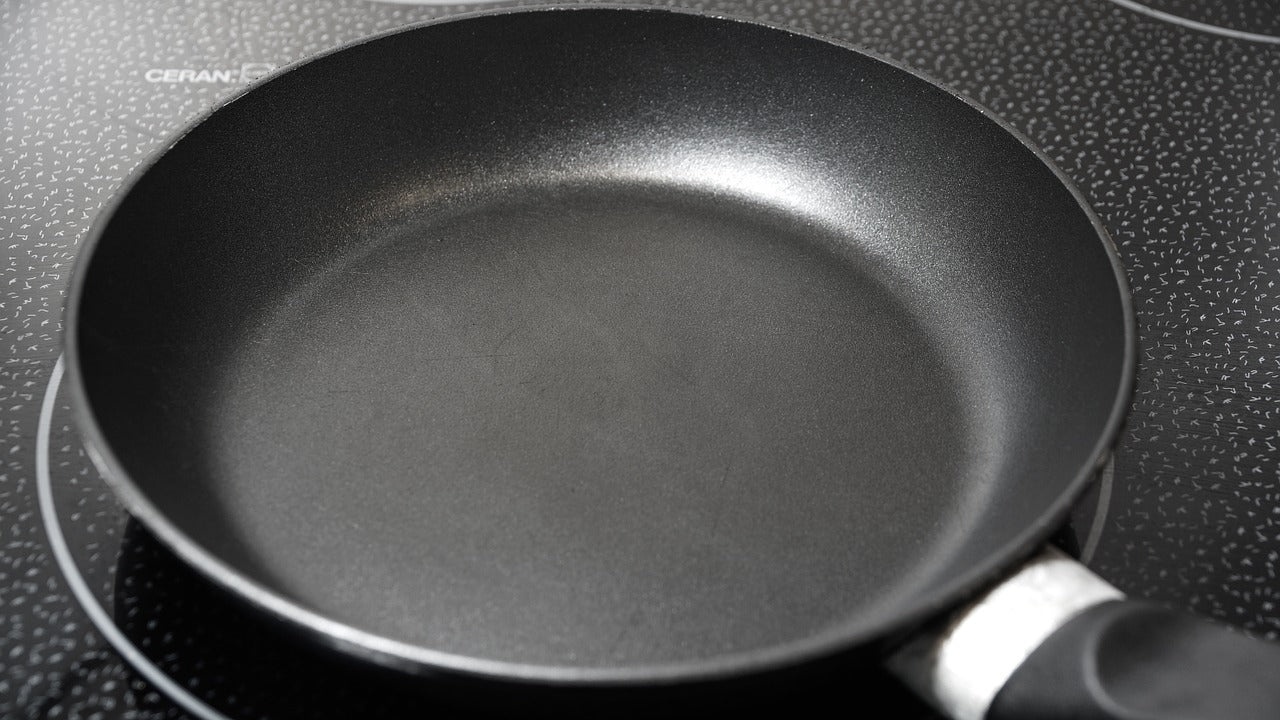
In consumer markets, fluorocarbons are most visible in products designed to resist heat, stains, or friction. Nonstick cookware is one of the best-known examples, where fluoropolymer coatings prevent food adhesion and allow cooking at high temperatures with minimal oil. These coatings are engineered to be chemically inert and stable under normal use conditions.
Stain- and water-repellent textiles also rely heavily on fluorocarbon chemistry. Outdoor apparel, upholstery, carpets, and performance fabrics often use fluorinated finishes to repel oils and water simultaneously—something hydrocarbon-based treatments struggle to achieve. Similarly, many household surface protectants, polishes, and specialty cleaners contain fluorocarbon components to improve spreading and durability.
Consumer product examples table
| Product category | Fluorocarbon function | Why fluorocarbons are used |
|---|---|---|
| Nonstick cookware | Fluoropolymer coating | Heat resistance, low friction |
| Outdoor clothing | Fluorinated repellents | Oil and water repellency |
| Carpets & upholstery | Surface treatments | Stain resistance |
| Household cleaners | Fluorosurfactants | Wetting and spreading |
| Personal care (limited) | Specialty additives | Film formation, durability |
Refrigeration, air conditioning, and thermal management
One of the largest historical uses of fluorocarbons has been in refrigeration and air conditioning systems. Fluorocarbon-based refrigerants were adopted because they are nonflammable, thermally stable, and efficient heat-transfer media. Although regulatory frameworks now restrict or phase down certain classes due to climate impact, fluorinated refrigerants remain integral to many HVAC and industrial cooling systems.
Beyond traditional refrigeration, fluorocarbons are also used in heat-transfer fluids for electronics cooling, data centers, and specialty industrial processes. Their controlled boiling points and electrical insulation properties make them uniquely suited to these roles.
Refrigeration and thermal applications table
| Application | Fluorocarbon role | Key benefit |
|---|---|---|
| Residential HVAC | Refrigerant | Efficient heat exchange |
| Industrial chillers | Refrigerant | Stability under load |
| Electronics cooling | Dielectric fluid | Non-conductive cooling |
| Aerospace thermal control | Heat-transfer fluid | Reliability in extremes |
Industrial and manufacturing applications
In industrial environments, fluorocarbons are indispensable where extreme conditions exist. Fluorinated lubricants and greases are used in high-temperature, high-vacuum, or chemically aggressive environments where conventional lubricants degrade rapidly. These are common in aerospace, semiconductor fabrication, and chemical processing equipment.
Fluorocarbon-based coatings protect metal, glass, and polymer surfaces from corrosion, fouling, and chemical attack. In pipelines, reactors, seals, and gaskets, fluorinated materials significantly extend service life and reduce maintenance downtime.
Semiconductor manufacturing is another critical sector. Fluorocarbon gases and liquids are used for plasma etching, chamber cleaning, and precision surface modification. In this context, fluorocarbons are not optional—they are foundational to modern electronics production.
Firefighting and safety systems
Certain firefighting foams and fire-suppression agents historically relied on fluorocarbon chemistry to rapidly spread across burning fuel surfaces and suppress vapor release. Their effectiveness in high-risk environments such as airports, refineries, and chemical plants made them industry standards for decades.
While newer formulations aim to reduce environmental persistence, fluorocarbon-based systems are still present in legacy installations and specialized safety applications where performance margins are critical.
Medical, pharmaceutical, and laboratory products
Fluorocarbons also play specialized roles in healthcare and life sciences. Some are used in medical devices for lubrication, sealing, or chemical resistance. Others appear in diagnostic equipment, laboratory consumables, and pharmaceutical manufacturing as inert processing aids or specialty solvents.
In these contexts, fluorocarbons are selected not for cost efficiency, but for predictability, purity, and biocompatibility under tightly controlled conditions.
Why fluorocarbons remain difficult to replace
Across all these product categories, one theme is consistent: fluorocarbons deliver combinations of properties that are extremely hard to replicate simultaneously. Alternatives may match one attribute—such as water repellency or heat resistance—but fail in durability, chemical resistance, or lifecycle cost.
This does not mean fluorocarbons are universally appropriate, but it does mean substitution requires system-level redesign rather than simple ingredient replacement. For engineers and procurement teams, this distinction is critical.
Final summary
Fluorocarbons are present in far more products than most people realize—from everyday cookware and clothing to refrigeration systems, electronics manufacturing, industrial equipment, and medical technologies. Their use is driven by performance necessity rather than convenience, and their continued presence reflects real functional demand rather than inertia.
Understanding which products contain fluorocarbons, what role they play, and what alternatives realistically exist is the foundation for informed technical, regulatory, and purchasing decisions.
A practical note from industry experience
In our day-to-day work, we see both overuse and misunderstanding of fluorocarbon materials. The most successful customers are those who evaluate fluorocarbons pragmatically—using them where performance truly requires it, and optimizing formulations to minimize unnecessary exposure or cost. That balance is achievable with the right technical insight.
Talk to Sparrow-Chemical about fluorocarbon solutions
If you are sourcing fluorocarbon materials, evaluating alternatives, or navigating compliance while maintaining performance, Sparrow-Chemical can support you with application-focused expertise and reliable global supply. We work with customers across industrial, electronic, and specialty chemical sectors to ensure fluorocarbon products are used correctly, responsibly, and efficiently. Visit https://sparrow-chemical.com/ to discuss your application with our technical team.