Skip to content
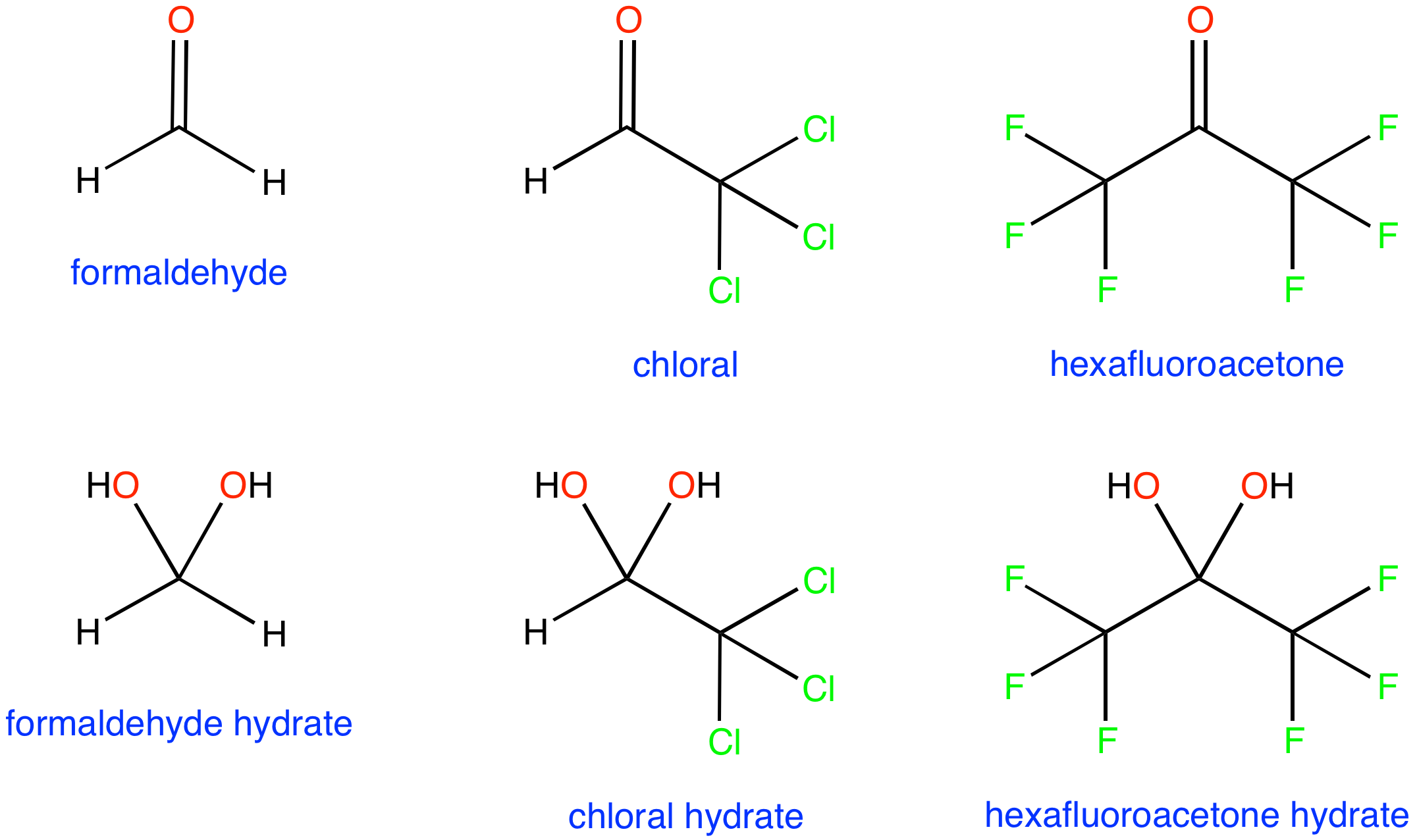
Hexafluoroacetone is not merely “more reactive” than common ketones—it belongs to an entirely different electrophilicity class. In industrial fluorochemistry, this distinction is critical. Treating hexafluoroacetone like a conventional carbonyl compound often leads to uncontrolled reactions, unexpected side products, or safety incidents. Understanding why it is so strongly electrophilic explains both its extraordinary synthetic value and the strict controls required to use it safely.
Hexafluoroacetone is strongly electrophilic because two trifluoromethyl (CF₃) groups exert extreme electron-withdrawing inductive effects, severely depleting electron density at the carbonyl carbon and dramatically increasing its susceptibility to nucleophilic attack.
The fundamental cause: fluorine-driven electron withdrawal
Electrophilicity is governed by electron density. The less electron density a reaction center has, the more strongly it attracts nucleophiles. Hexafluoroacetone places six fluorine atoms in direct electronic communication with a carbonyl group. This is an extreme structural choice in organic chemistry.
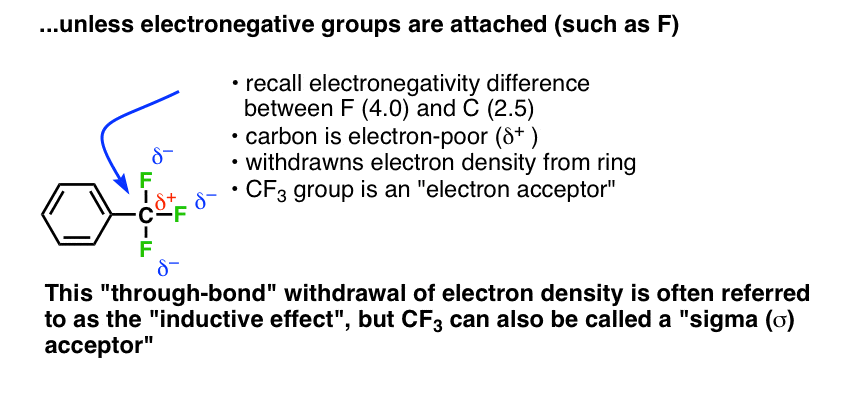
Fluorine is the most electronegative element. Each C–F bond pulls electron density away from carbon through a powerful inductive (−I) effect. In hexafluoroacetone, two CF₃ groups simultaneously withdraw electron density from the same carbonyl carbon. The result is cumulative, not additive—the electron deficiency is amplified.
This makes the carbonyl carbon exceptionally positive in character, even compared to highly activated aldehydes or ketones.
Contrast with ordinary ketones
In most ketones, alkyl substituents such as methyl groups donate electron density via hyperconjugation. This stabilizes the carbonyl group and moderates electrophilicity.
Hexafluoroacetone represents the opposite extreme.
| Ketone type | Substituent effect | Carbonyl electrophilicity |
|---|---|---|
| Acetone | Electron-donating CH₃ | Low–moderate |
| Trifluoroacetone | One CF₃ | High |
| Hexafluoroacetone | Two CF₃ | Extreme |
Instead of donating electrons, CF₃ groups aggressively withdraw them. There is no compensating donation mechanism, so the carbonyl is left highly activated.
Lack of π-donation stabilization
Another key factor is the absence of π-donation into the carbonyl system. Alkyl groups can partially stabilize carbonyls by donating electron density into antibonding orbitals. CF₃ groups cannot do this effectively.
Fluorine’s electrons are tightly held and poorly polarizable. As a result:
- No meaningful resonance donation occurs
- The carbonyl π-system remains electron-poor
- The LUMO energy is significantly lowered
Lower LUMO energy directly correlates with stronger electrophilicity.
Strong polarization of the C=O bond
The combined inductive effects strongly polarize the carbonyl bond itself. Oxygen becomes more negatively charged, while the carbonyl carbon becomes more positively charged than in almost any conventional ketone.
This polarization has two consequences:
- Nucleophilic attack is strongly favored
- Transition states are stabilized, lowering activation barriers
As a result, reactions proceed rapidly, often under mild conditions.
Steric effects do not protect the carbonyl
Although CF₃ groups are bulky, they do not effectively shield the carbonyl carbon. Their geometry leaves the reactive center accessible while their electronic effects dominate.
This is a critical point: high steric bulk combined with high electrophilicity is unusual. In hexafluoroacetone, the steric bulk does not reduce reactivity—it merely complicates approach geometry while still allowing reaction.
Comparison with other strong electrophiles
Hexafluoroacetone’s electrophilicity rivals or exceeds that of many activated carbonyl compounds used in synthesis.
| Compound | Activation mechanism | Relative electrophilicity |
|---|---|---|
| Acetone | None | Low |
| Acyl chloride | Leaving group activation | High |
| Trifluoroacetone | CF₃ induction | Very high |
| Hexafluoroacetone | Dual CF₃ induction | Extreme |
Unlike acyl chlorides, hexafluoroacetone does not rely on a leaving group. Its electrophilicity is intrinsic and permanent.
Consequences for chemical reactivity
Because of this strong electrophilicity, hexafluoroacetone:
- Reacts rapidly with nucleophiles
- Forms stable fluorinated alcohols and adducts
- Undergoes cycloaddition and condensation reactions easily
- Cannot function as an inert solvent
- Must be consumed deliberately in synthesis
This explains why it is almost always used as an in situ intermediate rather than an isolated reagent.
Industrial implications of strong electrophilicity
In industrial fluorochemistry, strong electrophilicity is both a benefit and a hazard. It enables:
- Shorter reaction pathways
- High conversion efficiency
- Unique fluorinated architectures
But it also demands:
- Strict moisture exclusion
- Controlled addition rates
- Temperature and pressure management
- Skilled process design
Successful use depends on respecting the molecule’s electronic nature.
Why this electrophilicity is difficult to replicate
Replacing even one CF₃ group significantly reduces electron withdrawal and raises the LUMO energy. This sharply decreases electrophilicity and often requires harsher reaction conditions. For this reason, hexafluoroacetone remains uniquely valuable despite regulatory and handling challenges.
Final summary
Hexafluoroacetone is strongly electrophilic because two CF₃ groups impose an extreme electron-withdrawing environment on a carbonyl carbon. The absence of electron donation, strong inductive effects, intense bond polarization, and accessible geometry combine to create one of the most electrophilic ketones used in industrial chemistry.
This electronic structure explains both its exceptional synthetic utility and the need for careful, professional handling.
A practical note from industry experience
In real-world synthesis, hexafluoroacetone performs best when its electrophilicity is treated as a design feature, not a problem. Processes built around controlled nucleophilic addition succeed; processes that attempt to “tame” it often fail.
Talk to Sparrow-Chemical about fluorochemical intermediates
If you are sourcing or evaluating hexafluoroacetone for fluoropolymer, pharmaceutical, or specialty chemical synthesis, Sparrow-Chemical provides application-driven technical guidance and reliable global supply. We help customers use highly electrophilic fluorochemical intermediates safely and effectively. Visit https://sparrow-chemical.com/ to discuss your application with our technical team.