Why does Hexafluoroacetone form a hydrate?
Among carbonyl compounds, hexafluoroacetone behaves in a way that surprises even experienced chemists: it readily forms a stable

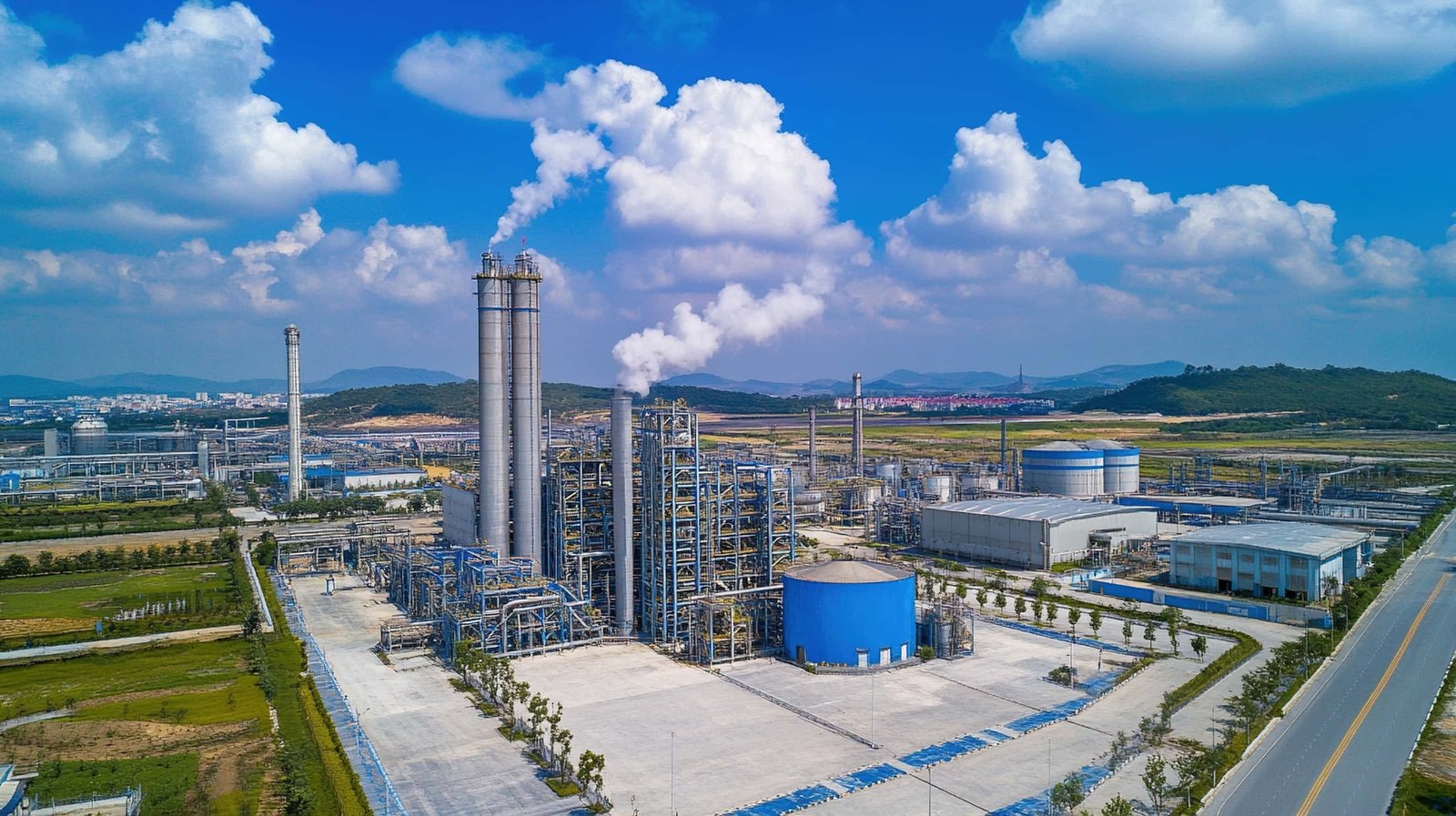
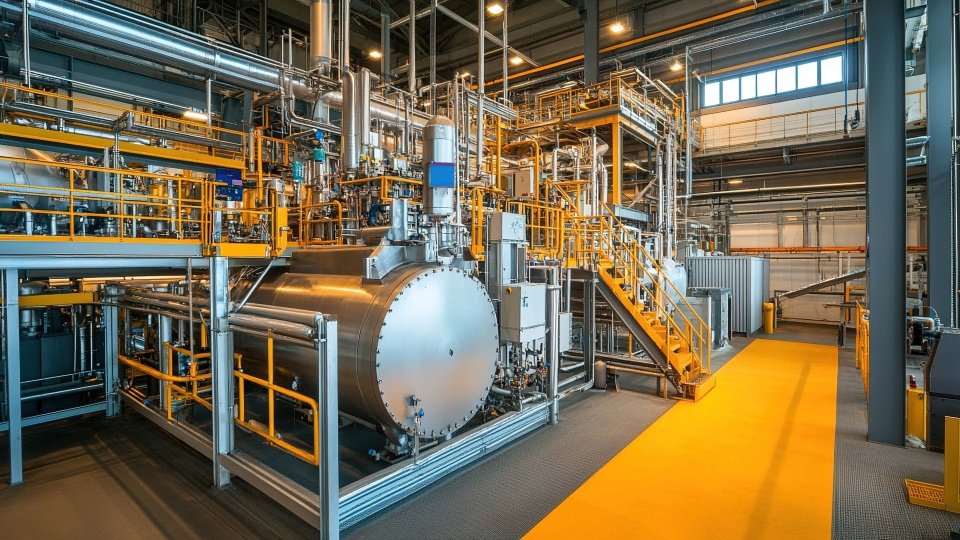
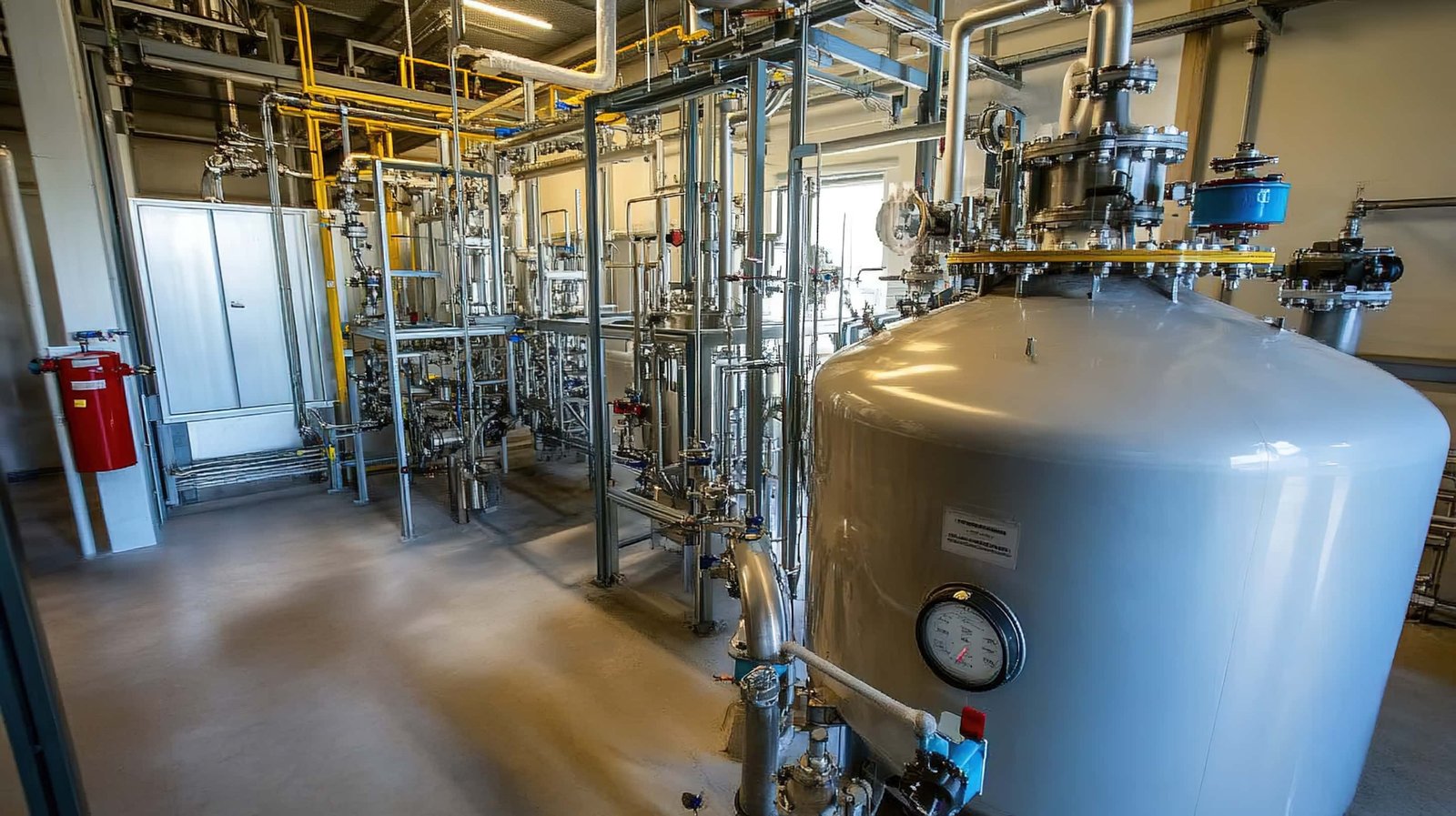
Facilities
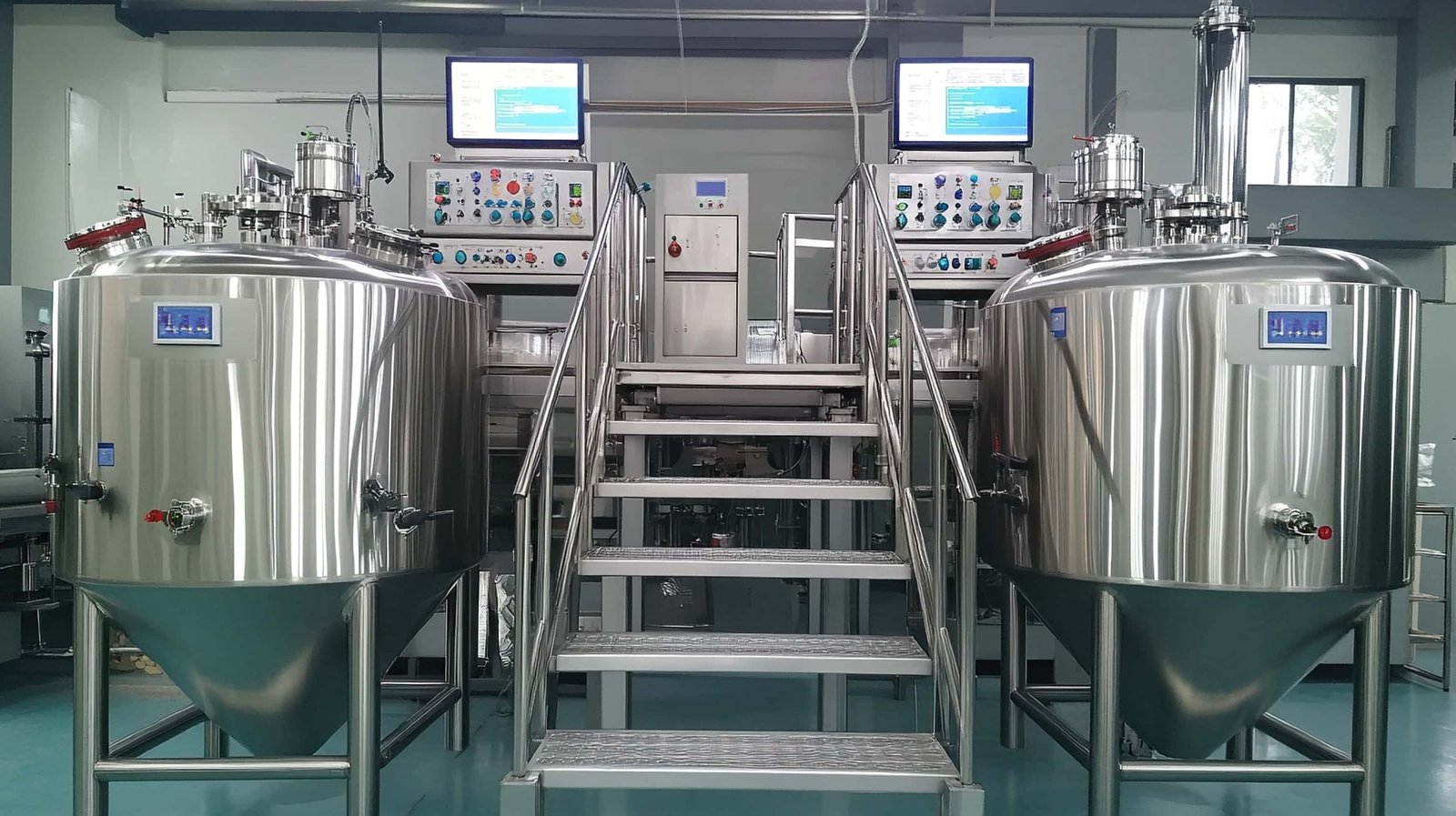
R&D Center
Full-time Researchers
Strategic Industries
500 m² integrated R&D center (synthesis–analysis–testing)30+ advanced instruments: ICP-OES, GC-MS, HPLC, IC, etc.
10 dedicated researchers (2 PhDs, 5 MScs)10+ years experience in materials & fluorochemistry
Comprehensive product coverage: fluorinated electronic chemicals, specialty monomers, PFPE derivatives, etc.Stable, reliable large-scale production and supply chain
Certified management systems & IP protectionCircular economy approach & environmental responsibility
To become a globally recognized leader in fluorochemistry, bridging innovation, industrialization, and circular economy for next-generation materials.
To deliver innovative fluorochemical materials and sustainable solutions that empower industries and enable a greener future.
Innovation · Integrity · Sustainability · Collaboration We believe in continuous innovation, uphold integrity in every partnership, pursue sustainable development, and collaborate to create win-win value.


Among carbonyl compounds, hexafluoroacetone behaves in a way that surprises even experienced chemists: it readily forms a stable

Hexafluoroacetone is often described as “unstable,” but that description is incomplete and, in many cases, misleading. In fluorochemistry,

Hexafluoroacetone is not a commodity ketone that can be produced by simple oxidation or substitution chemistry. Its manufacture

Hexafluoroacetone is not a chemical that appears in finished consumer products, and it is rarely encountered outside professional