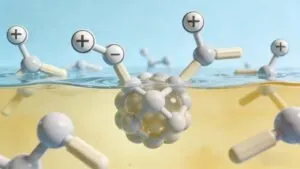
Many manufacturers, procurement managers, and even chemical engineers often use the terms “PFAS” and “fluorochemicals” interchangeably—but this misunderstanding can lead to serious consequences. Misclassification may result in regulatory non-compliance, restricted product exports, or selecting materials that are either over-engineered or legally restricted in key markets like the EU and the United States. In today’s tightening regulatory environment, failing to distinguish between PFAS and broader fluorochemicals is not just a technical error—it’s a business risk.
PFAS are a specific subset of fluorochemicals characterized by highly stable carbon-fluorine chains (typically fully or partially fluorinated alkyl structures), whereas fluorochemicals represent a much broader category of compounds containing at least one carbon-fluorine bond, including refrigerants, fluoropolymers, pharmaceuticals, and specialty intermediates. In simple terms: all PFAS are fluorochemicals, but not all fluorochemicals are PFAS.
To make informed decisions in sourcing, compliance, and product development, it is essential to clearly understand the structural, functional, regulatory, and application-level differences between PFAS and fluorochemicals. This article provides a deep, industry-grade analysis tailored for B2B buyers, engineers, and chemical product strategists.
Fundamental Definitions and Scope: PFAS vs Fluorochemicals
Understanding the distinction begins with precise definitions rooted in chemical structure and regulatory classification.
What Are Fluorochemicals?
Fluorochemicals are any chemical compounds that contain at least one carbon-fluorine (C–F) bond. This category includes:
- Fluoropolymers (e.g., PTFE, PVDF)
- Refrigerants (HFCs, HFOs)
- Fluorinated pharmaceuticals
- Agrochemical intermediates
- Specialty solvents
Fluorochemicals span multiple industries and molecular sizes, from small molecules to high-molecular-weight polymers.
What Are PFAS?
PFAS (Per- and Polyfluoroalkyl Substances) are a defined subset of fluorochemicals characterized by:
- Fully or partially fluorinated alkyl chains
- Strong environmental persistence
- Surfactant-like behavior (in many cases)
They are typically used in:
- Water/oil repellents
- Firefighting foams (AFFF)
- Surface coatings
Core Difference Table
| Parameter | PFAS | Fluorochemicals |
|---|---|---|
| Scope | Subset | Broad category |
| Structure | Per/polyfluoroalkyl chains | Any C–F bond |
| Persistence | Extremely high | Variable |
| Regulation | Highly restricted | Depends on type |
| Examples | PFOS, PFOA | PTFE, HFC-134a |
Structural Chemistry: Why PFAS Behave Differently
The key to understanding PFAS lies in their molecular architecture.
PFAS Structure Characteristics
- Linear or branched fluorinated carbon chains
- High fluorine substitution (often fully fluorinated)
- Terminal functional groups (–COOH, –SO₃H)
These features result in:
- Exceptional chemical stability
- Low surface energy
- Resistance to degradation
Fluorochemicals: Broader Structural Diversity
Fluorochemicals include:
- Partially fluorinated molecules
- Aromatic fluorinated compounds
- Fluorinated polymers with repeating units
Structural Comparison Table
| Feature | PFAS | Non-PFAS Fluorochemicals |
|---|---|---|
| Chain type | Alkyl | Alkyl, aromatic, polymer |
| Fluorination level | High | Low to high |
| Functional diversity | Limited | Extensive |
| Reactivity | Low | Variable |
From a molecular engineering perspective, PFAS are optimized for surface activity and durability, whereas fluorochemicals are optimized for a wide range of functional applications.
Functional Performance Differences in Industrial Applications
PFAS Functional Strengths
- Ultra-low surface tension
- Oil and water repellency
- Film-forming capability
Fluorochemicals Functional Strengths
- Thermal stability (fluoropolymers)
- Electrical insulation (electronics)
- Chemical intermediates (pharma/agrochemicals)
Application Comparison Matrix
| Application | PFAS Role | Fluorochemical Role |
|---|---|---|
| Textiles | Water repellents | Limited |
| Electronics | Cleaning agents | Etching gases, dielectrics |
| Coatings | Anti-fouling | High-performance resins |
| Refrigeration | Rare | Core function |
Environmental and Regulatory Differences
One of the most critical distinctions lies in environmental impact and regulation.
PFAS Regulatory Pressure
PFAS are under intense scrutiny due to:
- Bioaccumulation
- Toxicity concerns
- Environmental persistence
Key regulations include:
- EU PFAS restriction proposals
- US EPA limits in drinking water
- Stockholm Convention listings
Fluorochemicals Regulatory Landscape
Fluorochemicals are regulated based on:
- Toxicity
- Global warming potential (for refrigerants)
- Specific compound hazards
Regulatory Comparison Table
| Aspect | PFAS | Fluorochemicals |
|---|---|---|
| Global bans | Increasing | Limited |
| Monitoring | Strict | Case-by-case |
| Replacement pressure | High | Moderate |
Risk Assessment and Lifecycle Impact
PFAS Lifecycle Risks
- Persistent environmental contamination
- Difficult disposal
- Long-term liability
Fluorochemicals Lifecycle Risks
- Depends on compound type
- Often manageable with standard controls
Risk Comparison Table
| Stage | PFAS Risk | Fluorochemicals Risk |
|---|---|---|
| Production | Medium | Medium |
| Use | Low–Medium | Low |
| Disposal | High | Variable |
Industrial Decision-Making: Choosing Between PFAS and Alternatives
When PFAS Are Still Necessary
- Extreme environments (aerospace, defense)
- Critical safety applications (firefighting)
- Ultra-low surface energy requirements
When to Avoid PFAS
- Consumer goods
- Food packaging
- Textiles in regulated markets
Decision Matrix
| Scenario | Recommendation |
|---|---|
| High-performance coating | PFAS (if compliant) |
| Consumer product | Non-PFAS alternative |
| Electronics | Fluorochemicals (non-PFAS preferred) |
Market Trends: The Shift Away from PFAS
Key Trends
- Transition to short-chain PFAS
- Development of fluorine-free alternatives
- Increased transparency in supply chains
Market Evolution Table
| Trend | Impact |
|---|---|
| Regulation | Drives innovation |
| Consumer awareness | Reduces PFAS demand |
| Technology | Enables alternatives |
Alternatives and Innovation Pathways
Emerging Technologies
- Silicone-based repellents
- Hydrocarbon surfactants
- Nanostructured coatings
Performance Comparison
| Property | PFAS | Alternatives |
|---|---|---|
| Water repellency | Excellent | Good |
| Durability | Excellent | Moderate |
| Compliance | Low | High |
Strategic Implications for Manufacturers and Buyers
To remain competitive:
- Audit supply chains for PFAS content
- Invest in alternative R&D
- Align with global regulations
Strategic Checklist
- Identify PFAS-containing materials
- Evaluate regulatory exposure
- Develop substitution roadmap
Conclusion: Clarity Drives Better Decisions
The distinction between PFAS and fluorochemicals is not merely academic—it is foundational to modern chemical strategy. While PFAS offer unmatched performance in certain applications, their regulatory and environmental challenges are reshaping the industry. Fluorochemicals, as a broader category, continue to play a vital role across industries with more flexible compliance pathways. Understanding where PFAS fits within this larger landscape allows companies to balance performance, compliance, and sustainability.
Let’s Talk About Your Fluorochemical Strategy
If you’re navigating PFAS regulations, sourcing fluorochemicals, or developing alternatives, working with an experienced partner makes all the difference. Sparrow Chemicals supports global clients with precise product selection, regulatory guidance, and customized solutions tailored to your industry.
👉 Reach out today: https://sparrow-chemical.com/