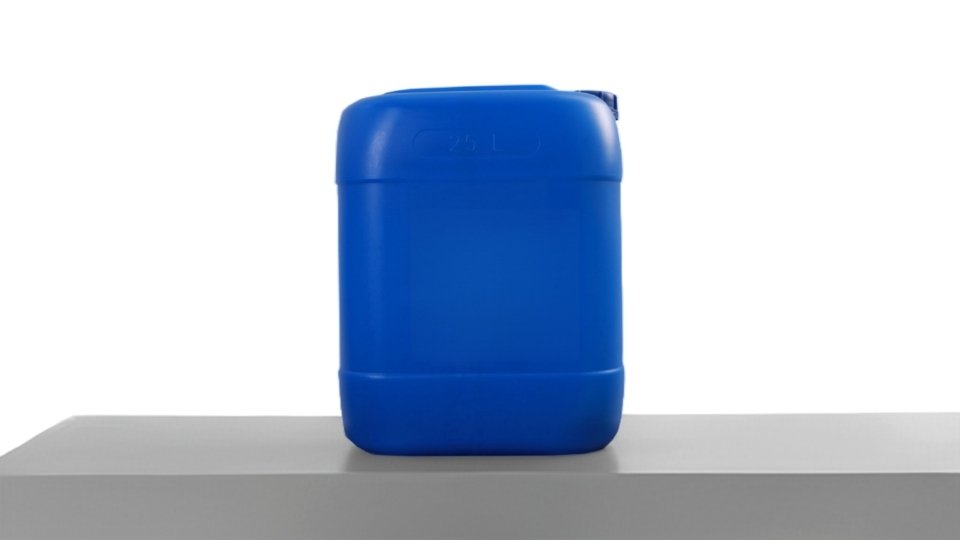
A fluorosurfactant is a type of surface-active agent (surfactant) in which the hydrophobic tail contains fluorinated carbon chains, typically perfluorinated or highly fluorinated alkyl groups. Because carbon–fluorine (C–F) bonds are extremely strong and highly non-polar, fluorosurfactants exhibit exceptionally low surface tension, high chemical and thermal stability, and superior wetting, leveling, and spreading performance compared with conventional hydrocarbon surfactants.
Fluorosurfactants are widely used in coatings, paints, inks, electronics, semiconductors, oil & gas recovery, firefighting foams, cleaning agents, and specialty formulations where extremely low surface energy, high repellency, and robust chemical resistance are required.
Fluorosurfactants are high-performance surface-active agents featuring fluorinated hydrophobic chains, typically composed of perfluoroalkyl or partially fluorinated carbon groups. Owing to the extremely strong C–F bond and the unique low-surface-energy characteristics of fluorinated structures, fluorosurfactants deliver exceptionally low surface tension, superior wetting and leveling performance, and outstanding chemical and thermal stability.
Compared with conventional hydrocarbon or silicone surfactants, fluorosurfactants can reduce surface tension to much lower levels (as low as 15–20 mN/m), enabling improved spreading, penetration, and anti-contamination performance even at very low dosage levels (often 0.01–0.1%). These properties make them indispensable in demanding industrial applications where durability, repellency, and long-term performance are critical.
Fluorosurfactants are widely used in coatings, inks, paints, adhesives, oil & gas recovery, cleaning formulations, semiconductor manufacturing, firefighting foams, specialty polymers, and surface treatments, offering unparalleled control over wetting, leveling, anti-smudge, anti-fouling, and surface protection.
Items | Unit | Standards |
Concentration | % | 3 |
Surface tension | Mn/m | 14.9 |
Interfacial tension | Mn/m | 7.5(glass pane) |
The interfacial tension of 98 # gasoline (glass) | Mn/m | 25.2 |
Bubbling times | / | ≥6 |
Spreading time | S | 70 * 35 mm weighing bottle, 92 #, 95 #, 98 # gasoline gasoline gasoline on spreading length 1 s |
Fire extinguishing duration | Min | 120* 30mm weighing bottle, fire extinguishing duration 1 minute |
1. Ultra-Low Surface Tension
Fluorosurfactants can reduce surface tension to as low as 15–20 mN/m, far lower than hydrocarbon or silicone surfactants, enabling superior wetting, spreading, and leveling on difficult-to-wet surfaces.
2. Exceptional Chemical and Thermal Stability
The presence of strong C–F bonds gives fluorosurfactants outstanding resistance to:
This makes them reliable in demanding industrial applications.
3. High Efficiency at Very Low Dosage
Due to their strong surface activity, fluorosurfactants deliver significant performance improvements even at 0.01–0.1% addition levels, reducing formulation cost and minimizing environmental burden.
4. Superior Oil, Water, and Stain Repellency
Their extremely low surface energy provides effective repellency and anti-fouling performance, making them ideal for coatings, inks, and surface treatments.
5. Excellent Compatibility in Diverse Systems
Compatible with:
This versatility enhances formulation flexibility.
6. Improved Leveling and Anti-Cratering
Fluorosurfactants help prevent defects such as craters, fisheyes, and orange peel in coatings and films by promoting uniform surface flow.
7. Enhanced Wetting of Low-Energy Substrates
They significantly improve adhesion and film formation on materials such as:
8. Long-Lasting Performance
Fluorosurfactants maintain effectiveness throughout the curing, processing, and service life of the product, ensuring durable protection and stable film properties.
1. High-Performance Coatings and Paints
Fluorosurfactants are widely used to improve wetting, leveling, and defect control in:
They help eliminate cratering, improve film uniformity, and enhance substrate coverage.
2. Inks and Graphic Arts Materials
Their ultra-low surface tension enhances printing quality by providing:
3. Electronics and Semiconductor Chemicals
Due to their purity and superior wetting properties, fluorosurfactants are used in:
They support applications requiring high chemical resistance and clean film formation.
4. Oil & Gas Industry (EOR and Drilling Fluids)
Fluorosurfactants significantly improve:
They are valuable in enhanced oil recovery operations.
5. Firefighting Foams (AFFF, FFFP)
Fluorosurfactants are essential in legacy AFFF systems because they:
(For PFAS-free markets, alternative chemistries may be required.)
6. Cleaning Agents and Detergents
Used in industrial and specialty cleaners to improve:
Effective even at extremely low concentrations.
7. Surface Treatment and Protective Coatings
Fluorosurfactants provide durable:
Ideal for glass, plastics, metals, textiles, and optical materials.
8. Fluoropolymer and Specialty Chemical Synthesis
Used as functional additives or intermediates to enhance:
Fluorosurfactants are used in coatings, inks, semiconductor chemicals, oil & gas recovery, firefighting foams, cleaners, and advanced surface-treatment applications requiring ultra-low surface tension and high chemical stability.
By choosing Sparrow Fluorosurfactants, you gain access to a globally compliant, high-purity monomer backed by Sparrow’s reliable supply chain, international certifications (COA, MSDS), and technical support. It is the trusted solution for industries seeking superior fluoropolymer performance in electronics, aerospace, chemical processing, and beyond.
Sparrow Fluorine Chemicals combines advanced production, strict quality control, and global logistics to ensure you receive consistent and reliable supply. Contact our team today for quotations, samples, or technical support, and let us help accelerate your projects.

Sales Director.
A professional fluorochemical solution provider with 11 years of dedicated experience in chemical manufacturing and international trade.
18 major series of fluorinated intermediates, salts, and advanced fluorochemicals.
Each batch is tested with HPLC, GC-MS, NMR, and meets international standards.
From lab-scale synthesis to full industrial manufacturing with stable global supply.
Tailor-made fluorine compounds and contract manufacturing to meet specific customer needs.
Strong technical support for pharmaceuticals, agrochemicals, electronics, and specialty materials.
Safe packaging and efficient logistics to ensure timely supply worldwide.
Fluorine chemicals are compounds in which fluorine atoms are incorporated into organic or inorganic structures. Due to the unique properties of fluorine—such as high electronegativity, strong carbon–fluorine bond strength, and low surface energy—fluorochemicals exhibit exceptional thermal stability, chemical resistance, and biological activity.
These advantages make fluorine chemicals indispensable in many industries, including pharmaceuticals, agrochemicals, electronics, liquid crystals, advanced polymers, and specialty materials. By enhancing stability, lipophilicity, and performance, fluorine chemicals drive innovation and create added value in both traditional and emerging applications.
Fluorine chemicals are widely used across a variety of industries due to their unique properties:
Pharmaceuticals & Healthcare – as key intermediates for active pharmaceutical ingredients (APIs), improving drug efficacy and stability.
Agrochemicals – in herbicides, fungicides, and insecticides to enhance biological activity and persistence.
Electronics & Semiconductors – in liquid crystal monomers, OLED materials, photoresists, and semiconductor processing.
Advanced Polymers & Materials – for producing fluoropolymers, specialty coatings, and high-performance membranes.
Fine Chemicals & Specialty Applications – such as dyes, fragrances, surfactants, and catalysts.
Fluorine atoms play a unique role in pharmaceuticals and agrochemicals by enhancing the performance and effectiveness of active compounds. The main advantages include:
Improved stability – The strong carbon–fluorine bond increases chemical and metabolic stability of molecules.
Enhanced bioavailability – Fluorine improves lipophilicity and membrane permeability, allowing drugs and agrochemicals to be absorbed more efficiently.
Optimized activity – Fluorination can strengthen binding to biological targets, resulting in higher potency and selectivity.
Reduced dosage requirements – More effective compounds mean lower usage levels, which benefits both healthcare and agriculture.
Fluorine chemicals are widely used in electronics and advanced material industries because of their excellent dielectric properties, thermal stability, and chemical resistance. Key applications include:
Liquid crystal monomers – essential for LCD and OLED display technologies.
Semiconductor processing – used in photoresists, etchants, and cleaning agents.
High-performance polymers – such as fluoropolymers with outstanding resistance to heat and chemicals.
Specialty coatings and membranes – providing non-stick, anti-corrosion, and protective functions in aerospace and energy applications.
Yes. Sparrow offers custom synthesis and contract manufacturing services for special fluorine compounds that are not part of our standard catalog. With advanced R&D capabilities and flexible production facilities, we can support projects from lab-scale development to pilot trials and full industrial production.
Our customization services include structural design, process optimization, scale-up, and quality testing, ensuring that each tailored fluorochemical meets the specific requirements of pharmaceuticals, agrochemicals, and high-performance material applications.
Yes. Sparrow has the capability to support customers from pilot-scale trials to full commercial production. With advanced R&D laboratories, pilot plants, and industrial-scale manufacturing facilities, we provide seamless transition from research and development (R&D) to process scale-up and mass production.
Our flexible production system allows us to handle gram-level synthesis, kilogram-level pilot batches, and ton-level industrial supply, ensuring consistent quality across all scales. This enables customers to accelerate product development, validate processes, and achieve stable global supply.
Sparrow ensures the safe and compliant shipment of fluorine chemicals to international markets by following strict logistics and regulatory standards:
UN-compliant packaging – all hazardous materials are packed according to UN standards for chemical transport.
Proper labeling and documentation – including GHS hazard labels, CAS numbers, MSDS/SDS, and shipping documents.
Certified logistics partners – we cooperate with experienced carriers specialized in chemical transportation.
Multiple transport modes – available by air, sea, or land, depending on the product and customer requirements.
Regulatory compliance – shipments comply with IATA, IMDG, and other international regulations for dangerous goods.
These measures guarantee that Sparrow products are delivered safely, efficiently, and in full compliance with global transport standards.
Sparrow supplies fluorine chemicals in a wide range of purity levels and specifications to meet different industrial and research needs. Typical purity grades include 95%, 98%, and 99%+, with certain high-value products available in ultra-high purity (≥99.9%).
We provide detailed Certificates of Analysis (COA) and technical data sheets (TDS/MSDS) for each product, covering purity, assay method, moisture content, and other critical parameters. Specifications can also be tailored based on customer requirements for pharmaceuticals, agrochemicals, or electronic material applications.
Sparrow ensures product quality and consistency through a comprehensive quality management system that covers every stage from raw materials to final delivery. Key practices include:
Strict raw material selection – only certified and traceable suppliers are approved.
Advanced analytical testing – each batch is tested using HPLC, GC-MS, NMR, IR, and other methods.
International standards compliance – production follows ISO, GMP, and relevant industry regulations.
Batch-to-batch consistency – continuous monitoring ensures reproducibility and uniform quality.
Full documentation – COA, MSDS, and technical data are provided with every shipment.
This rigorous system allows Sparrow to deliver reliable, high-purity fluorochemicals that meet global customer expectations in pharmaceuticals, agrochemicals, electronics, and specialty applications.
Sparrow fluorine chemicals are produced under strict compliance with international quality and safety standards. Depending on the product category and customer requirements, our products may meet:
ISO 9001 – Quality management system certification.
ISO 14001 – Environmental management compliance.
GMP (Good Manufacturing Practice) – for pharmaceutical-related intermediates.
REACH & RoHS compliance – for exports to the EU market.
Safety Data Sheets (MSDS) – provided for safe handling and transportation.
Custom compliance support – additional certifications or documentation available upon request.
These certifications demonstrate Sparrow ’s commitment to quality, safety, and environmental responsibility, ensuring our fluorochemicals are trusted by global partners.
The minimum order quantity (MOQ) for Sparrow fluorine chemicals depends on the specific product type and application.
For laboratory-scale samples, the MOQ can be as low as 10–100 grams.
For pilot-scale or specialty intermediates, typical MOQs range from 1–5 kilograms.
For bulk or industrial orders, standard MOQs usually start from 25 kilograms (one drum) or higher.
We also offer flexible packaging and supply options to support R&D, pilot trials, and full-scale industrial production. Customers can request smaller trial quantities before placing larger commercial orders.
Yes. Sparrow provides complete product documentation for all fluorine chemicals, including:
CAS numbers – clearly identified for each product to ensure accurate sourcing.
Technical Data Sheets (TDS) – with specifications such as purity, molecular weight, appearance, and storage conditions.
Material Safety Data Sheets (MSDS/SDS) – covering safe handling, hazard identification, transport classification, and regulatory compliance.
This documentation helps customers with regulatory filing, laboratory research, and industrial production, ensuring safety, traceability, and efficiency in use.
Sparrow offers flexible packaging solutions tailored to laboratory research, pilot projects, and full-scale industrial applications:
Laboratory-scale packaging – sealed glass bottles, HDPE bottles, or aluminum foil bags (10 g to 1 kg).
Pilot-scale packaging – small drums, plastic containers, or aluminum cans (1–20 kg).
Industrial-scale packaging – fiber drums, steel drums, IBC tanks, or bulk bags (25 kg to 500 kg+).
Customized packaging – available upon request to meet specific customer or regulatory requirements.
All packaging is designed to ensure safety, product integrity, and compliance with international transport standards.
Sparrow is committed to providing comprehensive after-sales and technical support to ensure customer success:
Technical consultation – expert guidance on product selection, formulation, and applications.
Analytical support – COA, MSDS/SDS, and additional testing upon request.
Process assistance – advice on scale-up, optimization, and safe handling.
Responsive communication – dedicated service teams for fast response to inquiries and issues.
Continuous cooperation – long-term partnership support for research, pilot trials, and industrial production.
This customer-focused service model ensures that Sparrow is not only a supplier, but also a trusted technical partner.
