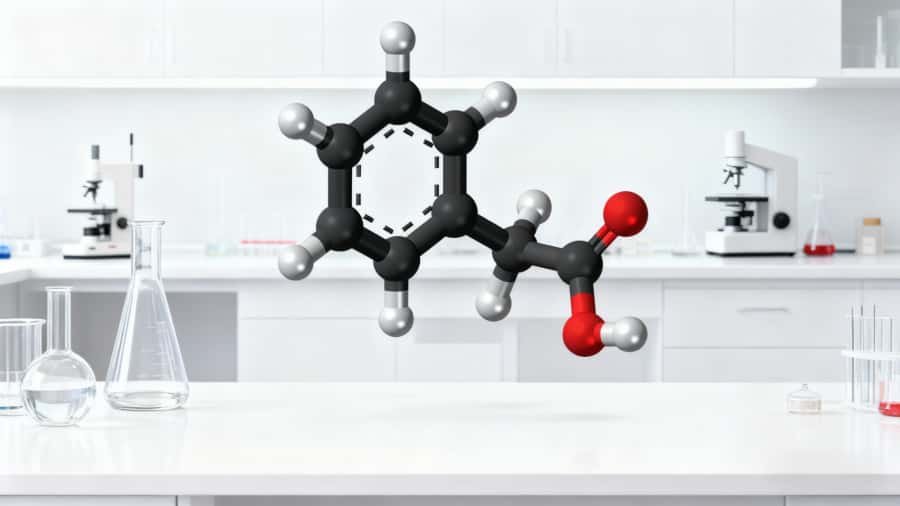
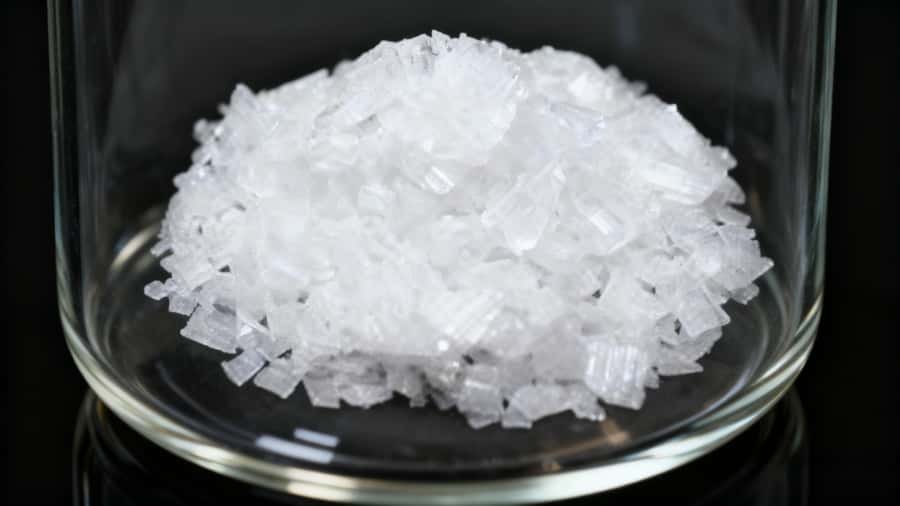
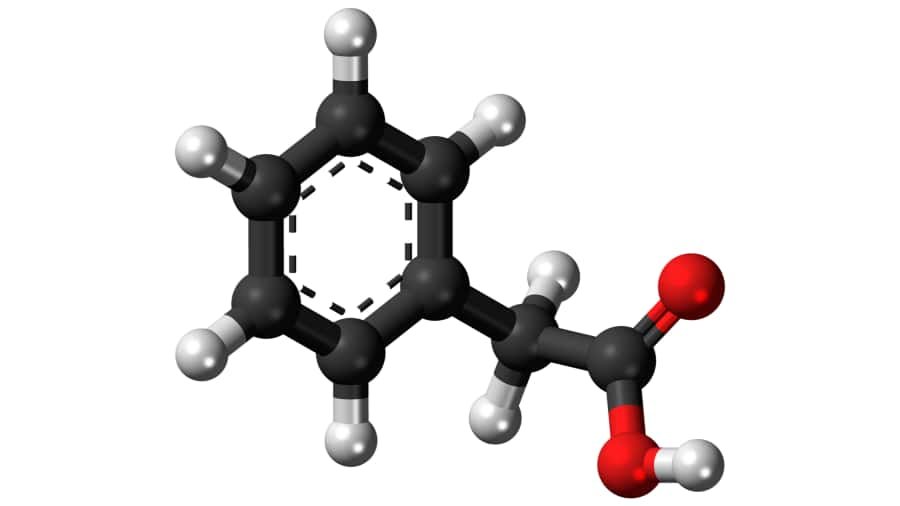
Phenylacetic acid may not sound familiar to everyone, but this aromatic carboxylic acid plays a critical role in multiple industries, especially pharmaceuticals and agriculture. If misunderstood, its association with illicit drug synthesis can overshadow its legal, valuable, and widely accepted applications. This can cause hesitation in sourcing or improper handling in regulated environments.
Phenylacetic acid is used in the manufacture of pharmaceuticals, perfumes, penicillin derivatives, agrochemicals, and as an intermediate in organic synthesis. It is also regulated due to its use in the illicit synthesis of methamphetamine.
Whether you’re involved in drug manufacturing, flavor and fragrance formulation, or chemical synthesis, understanding how phenylacetic acid functions can help unlock new opportunities—while remaining compliant with regulations.
How Is Phenylacetic Acid Used in the Pharmaceutical Industry?
Phenylacetic acid is a crucial intermediate in antibiotic production, particularly in the synthesis of penicillin derivatives and other phenyl-based drugs.
Common pharmaceutical applications:
- Ampicillin and amoxicillin: Provides the phenylacetic side chain in fermentation-based processes.
- Antihypertensives: Intermediate in the synthesis of alpha-methylphenylacetic acid analogs.
- Anticancer agents: Precursor for non-steroidal anticancer compounds.
| Drug Type | Role of Phenylacetic Acid | Mechanism of Action |
|---|---|---|
| Penicillin antibiotics | Side chain precursor for ampicillin | Enhances antibacterial spectrum |
| Antihypertensives | Structural intermediate | Blocks adrenergic receptors |
| Antitumor agents | Functional base for drug conjugates | Inhibits tumor cell metabolism |
Is Phenylacetic Acid Used in the Perfume and Flavor Industry?
Yes. Phenylacetic acid imparts a mild floral and honey-like aroma, making it valuable in the fragrance and flavor industries.
Common uses:
- Rose-type perfumes: Provides depth and longevity to floral blends.
- Honey-flavored formulations: Used in artificial honey and fruit essences.
- Soap and detergent fragrances: Stability under high pH makes it suitable for industrial formulations.
| Application Sector | Role of Phenylacetic Acid | Sensory Note |
|---|---|---|
| Perfumes | Fragrance base or modifier | Sweet, floral, honey-like aroma |
| Food flavors | Flavor enhancer or mimic | Adds natural aroma to honey and fruit products |
| Detergents | Scent stabilizer | Long-lasting mild floral tones |
How Is Phenylacetic Acid Used in Agriculture and Agrochemicals?
Phenylacetic acid is used as a precursor for plant growth regulators and as an intermediate in herbicide and pesticide synthesis.
Agricultural roles:
- Auxin analog: Enhances plant growth in controlled applications.
- Intermediate for phenoxyacetic herbicides: Used in selective weed control.
- Animal feed additives: Occasionally studied as metabolic precursors.
| Agrochemical Use | Phenylacetic Acid Function | Benefits |
|---|---|---|
| Growth regulators | Structural analog of natural auxins | Stimulates root and shoot development |
| Herbicide production | Intermediate in aromatic ether synthesis | Selective and systemic weed control |
| Research feed additives | Potential metabolic enhancer | Supports weight gain in livestock |
Is Phenylacetic Acid a Controlled Substance?
Yes. Due to its role in the illegal production of methamphetamine and phenylacetone (P2P), phenylacetic acid is listed as a DEA List I precursor chemical in the United States and similarly regulated globally.
Key compliance requirements:
- Registration required to purchase, sell, or distribute.
- Transaction tracking and reporting under chemical control laws.
- Restricted exports/imports in many countries.
| Compliance Area | Requirement |
|---|---|
| USA (DEA) | Listed under 21 CFR Part 1310 |
| EU regulations | Requires import/export notifications |
| UN INCB classification | Monitored under precursor control lists |
Conclusion
Phenylacetic acid is a versatile intermediate with legitimate and valuable uses in pharmaceuticals, fragrances, and agriculture. Its dual identity—being both essential and regulated—makes it important to source and handle responsibly. By understanding its diverse applications, you can take advantage of its full potential while staying compliant with chemical control regulations.
Looking for Regulated, High-Purity Phenylacetic Acid?
We supply phenylacetic acid with full compliance documentation, COA, and regulatory support. Contact us for pricing, safety data, and usage consultation.